
Move Your Body Every Day
By Amy
As I mentioned in my blog, 10 Habits That Can Change Your Life, I used to be very fit. I looked and felt great. But the same could not be said for my mental health.
I enjoyed working out, but the preparation took up even more of my day. There was more laundry to do, gym bags to pack, workout plans to follow, meals to prepare, and travel time to consider. Every morning, when I walked to my car, I was carrying my gym bag, purse, laptop, lunch, and water bottle. Inevitably, I would forget something and have to go back inside to get it.
By the time I got to the gym, I was already frazzled.
After my workout came a fast shower and a race to work. This was my second dose of stress before 8 a.m.
A few years later, when I decided I wanted to become a life coach and writer, it became clear that my gym habit was getting in the way of reaching that goal. I loved being fit, but the time and effort it required left little time for anything else.
I had to ask myself one hard question:
Is my goal to be a fitness model or personal trainer, or is it to become a life coach and writer?
It was hard enough to build a business while working full time. Quitting the gym was the only option I had that would give me back a few hours each day to work on the things that really mattered to me.
I have never regretted that decision.
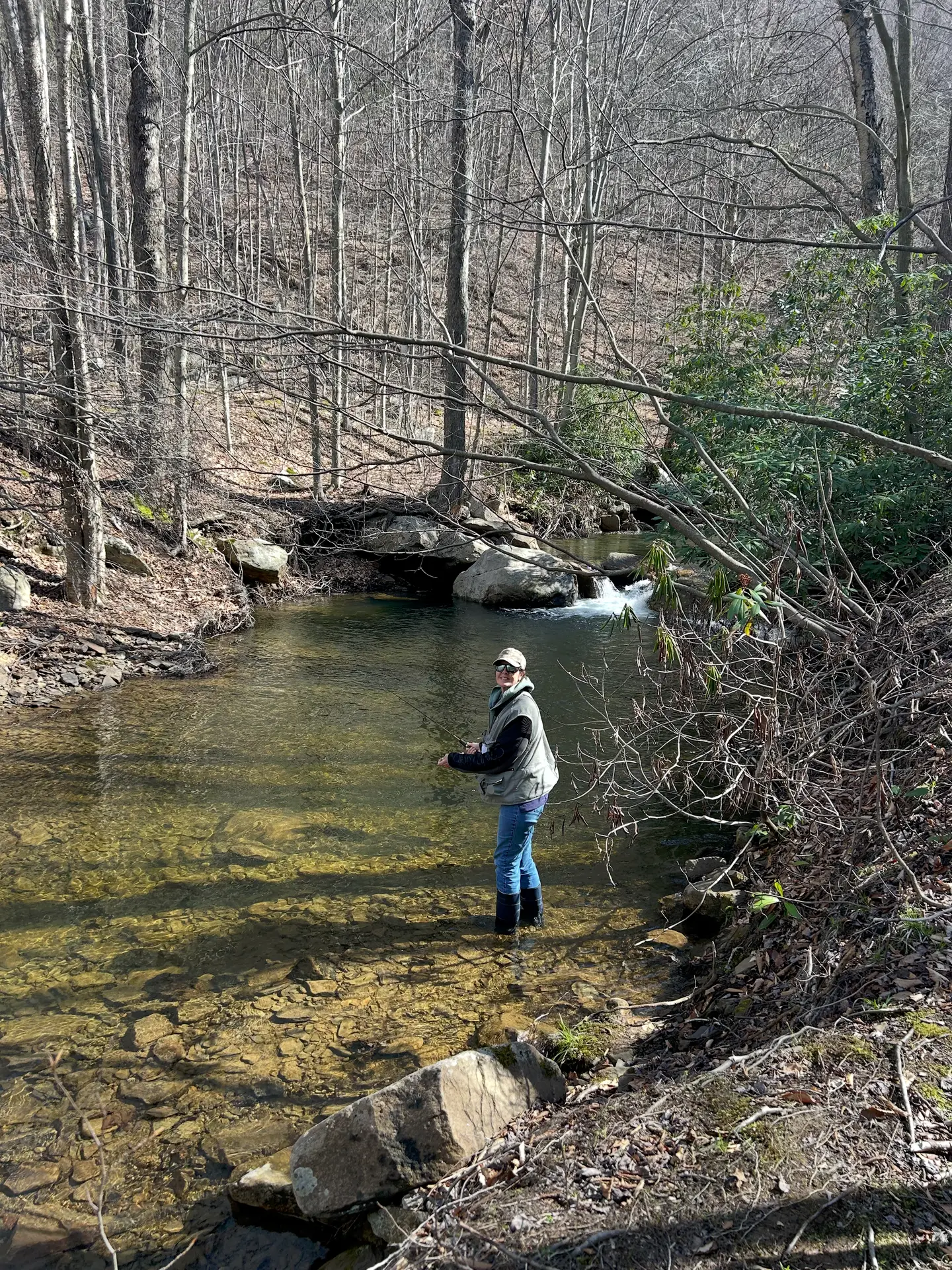
But I didn’t give up being active. Quitting the gym opened up time for hiking, kayaking, and biking. And unlike my old gym routine, these activities didn’t create stress. In fact, I found that they helped my mental health tremendously.
Quitting the gym also gave me back my evenings. I could get my chores done during the week, which freed up my weekends. Being out in nature brought me a sense of peace and wonder that I hadn’t found in the gym.
It occurred to me that, for some of us, the benefits of outdoor activities may outweigh the benefits we find in the gym.
Of course, not everyone is able to get outside and hike, kayak, or ride a bike. But almost any activity that gets you up and moving can benefit your body. Washing dishes, making the bed, gardening, and mowing the grass can’t be compared to a gym workout, but they are still movement.
They get your blood flowing and, perhaps more importantly, they get your energy moving.
Move It or Lose It
Have you ever noticed that after watching television for a long time, even getting up to let the dog out can feel like an effort?
Newton’s First Law states that an object at rest stays at rest, and an object in motion stays in motion unless acted upon by an outside force.
While human beings are obviously more complicated than objects governed by the laws of physics, there is something to be said for the idea.
When you have been sitting on the couch for hours, it can take more effort to get up and move than it would if you were already doing something around the house.
The more active you are, the easier it often becomes to continue being active.
And I have another theory that I will call Amy’s Law:
The more you do, the more capable you become of doing. The less you do, the less you will be able to do.
If you can walk a mile today, you may be able to walk a little farther as you continue to build your strength and endurance. But if you gradually shorten that walk until you eventually stop walking altogether, it won’t be long before walking a mile becomes much more challenging.
I remember being young and lying on the floor reading when my grandmother walked into the room. I jumped up to greet her. She made the comment that she wished she could get up off the floor like that.
At the time, I didn’t understand what she meant.
I understand it now.
As I have gotten older, I have found it tempting to do less simply because some things have become more challenging. But my grandmother’s words have followed me through the years and continue to serve as a reminder of the cost of becoming less active.
When you begin restricting your movement, you don’t simply lose the ability to get up off the floor.
Your world can slowly begin to shrink around you.
The things you once did without thinking can gradually become more difficult. And if you continue avoiding the things that challenge you, your abilities can continue to diminish.
That is why I believe moving your body every day is so important.
Not because you need to look a certain way.
Not because you need to spend hours in a gym.
But because movement helps preserve something that becomes increasingly valuable as we get older:
The freedom to continue living your life.
There is another law that I live by. I call it Amy’s Second Law:
The effort you expend today helps define your quality of life tomorrow.
Years ago, I saw a video of a woman in her eighties performing gymnastics with incredible skill and poise. Until that moment, I hadn’t given much thought to what my own quality of life might look like when I reached that stage.
I began to wonder what my eighties would look like.
Would I still be active and enjoying life? Would I be sitting in a rocking chair complaining about the weather making my bones ache? Or, worse yet, would I be sitting in a nursing home?
This woman hadn’t simply been gifted with her level of strength and ability. Her choices, habits, and years of effort had helped create the life she was living.
In that moment, I knew that this was what I wanted my senior years to look like.
I made a promise to myself: I want to be as healthy and active as I can be for as long as I am able.
I regret that I didn’t have as much time with one of my grandmothers as I would have liked. But my other grandmother was cut from a different fabric.
When she was 85, my father’s neighbors complained to him that he was making her cut the grass with a push mower. To her dismay, he took her mower away and started mowing the grass for her.
So, in defiance, she turned her attention to the flower beds and garden.
She resented it when I opened doors for her or tried to help her carry in groceries. She lived an active life throughout her golden years. She was always busy, fiercely independent, and determined to do things for herself.
Even when she watched television, she stayed busy. She crocheted complicated patterns that kept her hands moving and challenged her mind. We believe that staying physically and mentally engaged contributed to her remaining mentally sharp well into her later years. She lived to be more than 100 years old.
She wasn’t doing gymnastics, but she used everyday life to keep herself active, strong, and independent.
This is where I began to understand how our habits can help determine our quality of life as we age.
An active lifestyle doesn’t just mean being physically fit. It can mean having more opportunities to create memories with family and friends. It can mean being able to travel, explore, play with your grandchildren, work in your yard, carry your own groceries, and continue participating in life.
Another thought eventually came to my mind.
I had worked hard for most of my life. I started my first job at 14 and often worked two jobs. When I was 30, retirement seemed so far away that I barely gave it much thought.
But as I began getting closer to it, something changed.
I became determined to enjoy as many years as I possibly could because I had worked so hard to get there.
I don’t want to spend decades working toward retirement only to arrive there without the health, strength, or energy to enjoy the freedom I spent my entire life working to achieve.
The Golden Years
We spend decades preparing financially for retirement. But how many of us spend the same amount of time preparing physically for it?
Think about it.
We have financial advisors and planners to help us prepare for a financially comfortable retirement. We pay off debt. We pay off our homes. We save money, invest our income, and build a nest egg.
All of this sacrifice is in preparation for what we envision retirement to be.
We dream about the freedom to travel, relocate to a place we love, spend more time with family and friends, pursue hobbies, and discover new interests.
But there is another step that is equally important as financial planning and is often forgotten:
Preparing your body to enjoy the life you are working so hard to create.
Imagine spending all those years preparing for retirement only to discover that your health prevents you from fully enjoying it.
I look at the difference between my two grandmothers, and I have made a choice.
I work at building my retirement income, but I also work at staying active and healthy so that I can truly enjoy the years I have worked so hard to prepare for.
But my retirement preparation doesn’t end with financial and physical health.
There is one more important part of creating a retirement that allows you to fulfill your vision of what those years can be.
Never stop learning.
About the Author
Amy is the founder of Path 2 Epiphany, a personal growth community dedicated to helping people who feel stuck create a life filled with purpose, confidence, and meaning. After transforming her own life through small daily habits, intentional growth, and a commitment to becoming the person she wanted to be, she now helps others navigate their own path to lasting change.
Amy believes that transformation isn’t found in one life-changing moment. It’s built through small, consistent choices made every day. Her mission is to help others discover that meaningful change is possible—one step, one habit, and one day at a time.
If this article resonated with you and you’re ready to begin creating a life you can’t wait to wake up to, I invite you to explore Path2Epiphany.com. You’ll find thoughtful articles, free resources, and practical guidance designed to help you move from feeling stuck to living with greater purpose, confidence, and intention.
Take your time. Stay awhile. This journey isn’t about changing your life overnight—it’s about taking the next step.