
Get Out of Debt Course | Stop Living Paycheck to Paycheck
Understand where your money is going, break the habits keeping you stuck, and build a system that finally works in real life.
Why You Feel Stuck Financially
- Money disappears without clarity
- Budgeting attempts fail
- Debt keeps creeping back
- Stress and avoidance cycle
Most people don’t have a money problem—they have a system problem.
You Don’t Need More Willpower—You Need a System
- Budgeting fails because it’s unrealistic
- Debt persists because habits aren’t addressed
- You solve both
When Debt Holds You Back, Clarity Creates Freedom
Most people who are stuck financially aren’t just short on money—they’re carrying debt. And when you’re in debt, your options start to disappear.
If you’re miserable in your job or relationship, you may not have the financial freedom to make a change.
If you like your job but struggle to cover your bills, it creates constant stress.
And even if you can pay everything on time, having nothing left over keeps you stuck in the same cycle.
Most people believe making more money will fix this. But in reality, more money often makes things worse—because spending increases with it.
The real issue isn’t how much you make. It’s not fully understanding where your money is going, and how your habits are shaping your situation.
Over time, this creates a strained relationship with money. It becomes something that causes stress, avoidance, or frustration.
This is where things start to change.
When you begin to understand your cash flow, recognize your patterns, and take control of your decisions, your relationship with money shifts
You’re no longer reacting—you’re directing.
And when that happens, something bigger opens up:
You gain options
And that’s exactly what this get out of debt program helps you do—gain control, see your options and start moving forward with confidence.


Your Path Out of Debt
1. Understand Your Cash Flow
- Know exactly where your money goes
- Remove guesswork
2. Build a Real-Life Budget
- Flexible, not restrictive
- Designed to work with your life
3. Break Debt-Creating Habits
- Identify triggers and patterns
- Replace them with sustainable behaviors
4. Create a System That Keeps You Debt-Free
- Simple tools
- Repeatable structure

What Changes When This Clicks
- Confidence with money
- No more guessing
- Reduced stress
- Control over decisions
- Momentum instead of setbacks

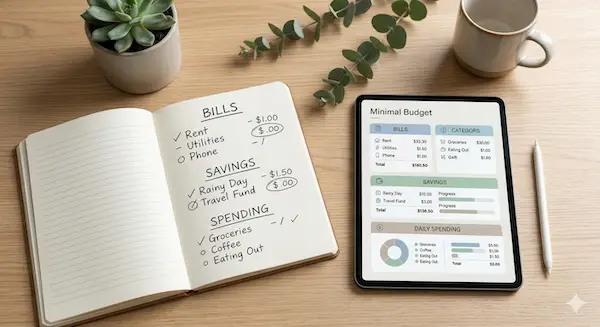
Why This Works When Other Methods Fail
- Strict budgets
- Shame-based advice
- Overly complex systems
It’s Time to Take Control of Your Money
Get Out of Debt Course FAQ
Because most people are operating without a clear system. Money comes in, goes out, and there’s no structure guiding decisions. This program helps you understand exactly what’s happening and gives you a way to take control of it.
Most budgets fail because they’re too rigid or unrealistic. They don’t account for real life, so people abandon them. You’ll build a flexible system that works with your habits instead of fighting against them.
You start by understanding your cash flow—what’s coming in, what’s going out, and where it’s leaking. From there, you’ll create a simple plan and begin changing the behaviors that keep debt in place.
Yes. This is exactly who this is built for. The focus is on creating clarity, stability, and small shifts that build momentum—so you’re no longer stuck in the same cycle.
Then you haven’t been given a system that addresses behavior. Most advice focuses on numbers alone. This approach combines structure with habit change so the results actually stick.
No. Cutting everything out is not sustainable. You’ll learn how to manage your money in a way that still allows for real life—without falling back into debt.
Most people start to feel a shift quickly once they understand their cash flow and have a clear plan. Long-term results come from consistency, not speed.
This is structured guidance, not just information. You’re not left to figure it out alone—you’re shown exactly how to apply what you learn.
No. This works at any income level because it focuses on how money is managed, not just how much you make.
Most programs focus on restriction or complex strategies. This focuses on simplicity, behavior, and sustainability—so you can maintain results long after you’re done.
That’s the goal. You’re not just paying off debt—you’re building a system and habits that prevent it from coming back.
Start by taking action. Once you begin, you’ll start building clarity, structure, and momentum right away.